How to Choose the Right Insulated Panel for Your Project
Insulated Panels for Construction
Choosing the right insulated panel is one of the most important decisions when planning a modern construction project. Insulated panels have become a popular building solution because they provide excellent thermal insulation, fast installation, and long-term durability. However, selecting the right type of panel depends on several factors, including the purpose of the building, environmental conditions, and energy efficiency requirements.
In this guide, we will explore the key factors to consider when choosing the right insulated panel for your project.
What Are Insulated Panels?
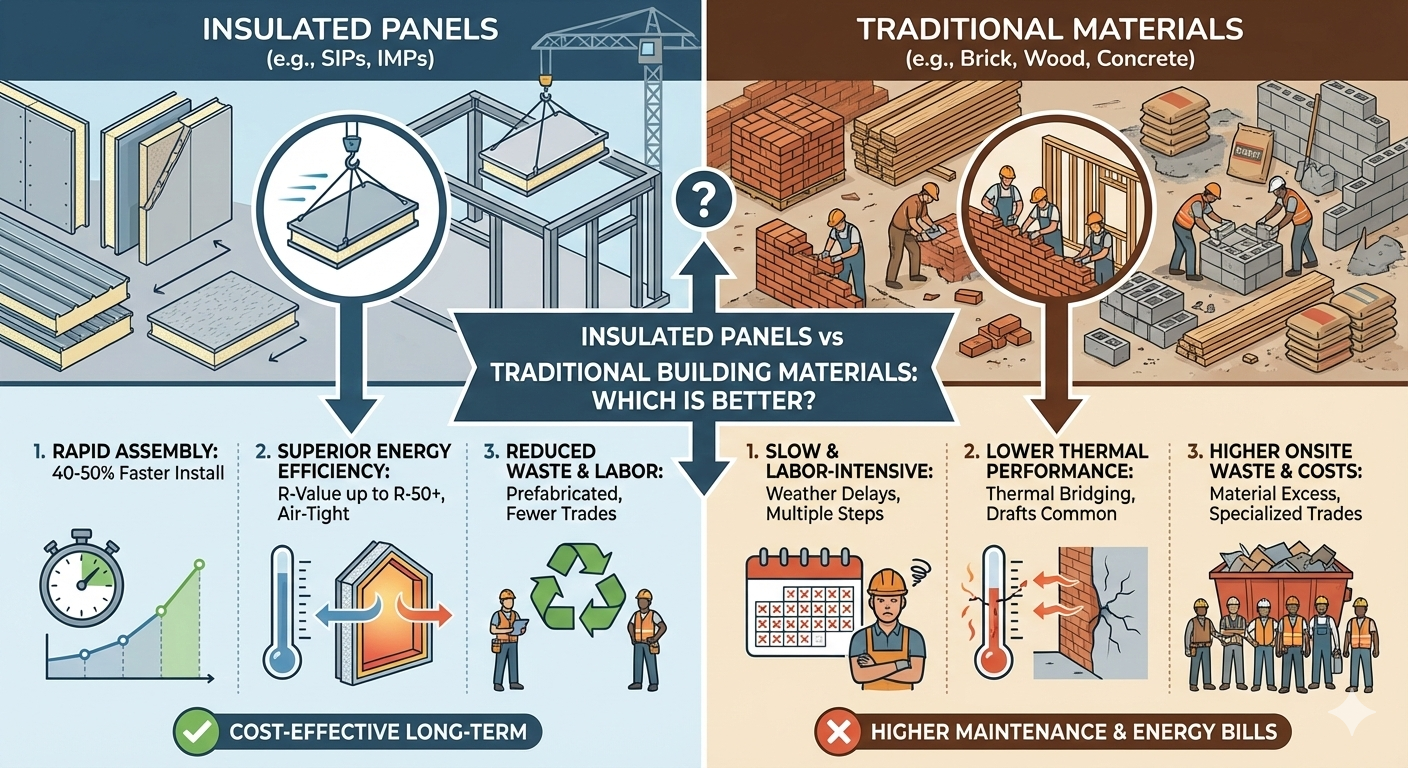
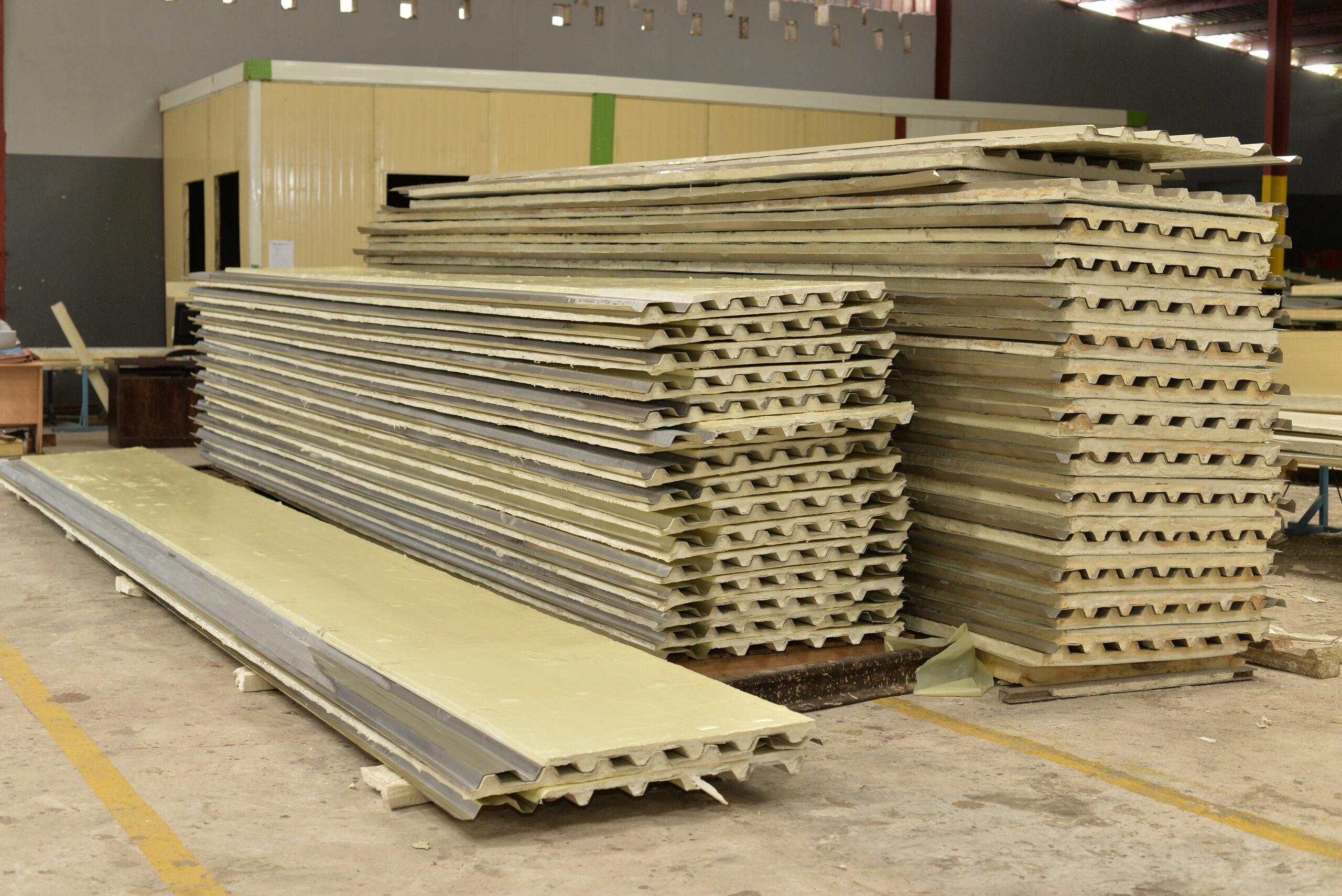
Insulated panels, also known as sandwich panels, are construction materials made up of two outer layers of metal with an insulating core in between. This design provides structural strength while maintaining excellent insulation properties.
They are commonly used for:
-
Warehouses
-
Cold rooms
-
Industrial buildings
-
Commercial facilities
-
Food processing plants
-
Prefabricated structures
Because of their efficiency and versatility, insulated panels are becoming a preferred building material in modern construction projects.
1. Understand the Purpose of Your Building
The first step in choosing the right insulated panel is understanding the specific needs of your project. Different buildings require different levels of insulation and durability.
For example:
-
Cold storage facilities require panels with high thermal insulation to maintain low temperatures.
-
Warehouses and factories may prioritize structural strength and durability.
-
Commercial buildings may focus on aesthetics as well as insulation.
Defining the purpose of the building will help you determine the best panel type for your project.
2. Consider the Type of Insulation Core
The insulation core is the most critical component of an insulated panel because it determines the panel’s thermal performance.
Common insulation core materials include:
Polyurethane (PU)
-
Excellent thermal insulation
-
Ideal for cold rooms and temperature-controlled environments
Polyisocyanurate (PIR)
-
Improved fire resistance compared to PU
-
Suitable for industrial and commercial buildings
Mineral Wool
-
High fire resistance
-
Often used in buildings where fire safety is a major concern
Selecting the right insulation core ensures your building meets energy efficiency and safety requirements.
3. Evaluate Thermal Performance
One of the main advantages of insulated panels is their ability to reduce energy consumption. Panels with better insulation performance help maintain indoor temperatures and reduce the need for excessive heating or cooling.
When choosing insulated panels, consider:
-
Thermal conductivity
-
Insulation thickness
-
Energy efficiency requirements for the building
Better thermal performance can significantly reduce long-term energy costs.
4. Check Structural Strength and Durability
Insulated panels should be strong enough to withstand environmental conditions such as wind, rain, and temperature fluctuations. The thickness of the panel and the quality of the outer metal layers play an important role in durability.
High-quality panels provide:
-
Long-lasting performance
-
Resistance to corrosion
-
Structural stability for large buildings
Choosing durable panels ensures your structure remains safe and efficient for many years.
5. Consider Installation Speed and Cost
One of the key benefits of insulated panels is their quick and easy installation compared to traditional building materials. Prefabricated panels reduce construction time and labor costs.
When selecting panels, it is important to evaluate:
-
Installation requirements
-
Construction timeline
-
Overall project budget
Efficient installation can help developers complete projects faster and reduce overall construction expenses.
6. Work with a Trusted Supplier
Finally, working with an experienced and reliable supplier is essential to ensure the quality and performance of insulated panels. A reputable supplier can provide technical guidance, recommend the right panel specifications, and ensure proper installation.
Choosing a trusted partner helps guarantee that your building meets industry standards for safety, insulation, and durability.
Conclusion
Insulated panels offer a modern and efficient solution for a wide range of construction projects. However, choosing the right panel requires careful consideration of factors such as building purpose, insulation core material, thermal performance, durability, and installation requirements.
By selecting the right insulated panel for your project, you can improve energy efficiency, reduce construction time, and ensure long-term building performance.
If you are planning a construction project and need expert guidance on insulated panel solutions, Lange & Grant is ready to help you choose the best option for your needs.