Cold Room Construction in Nigeria: Key Factors to Consider Before Building a Temperature-Controlled Facility
Cold room construction in Nigeria requires more than simply installing refrigeration equipment inside an enclosed space. A properly designed cold room must control temperature, minimise heat transfer, manage moisture, and maintain consistent internal conditions while keeping energy consumption under control.
For businesses involved in food processing, agriculture, pharmaceuticals, hospitality, retail, and cold-chain logistics, choosing the right construction materials is an important part of protecting temperature-sensitive products.
In Nigeria, where ambient temperatures can be high for much of the year, effective insulation is particularly important when designing a reliable cold storage facility.
What Is a Cold Room?
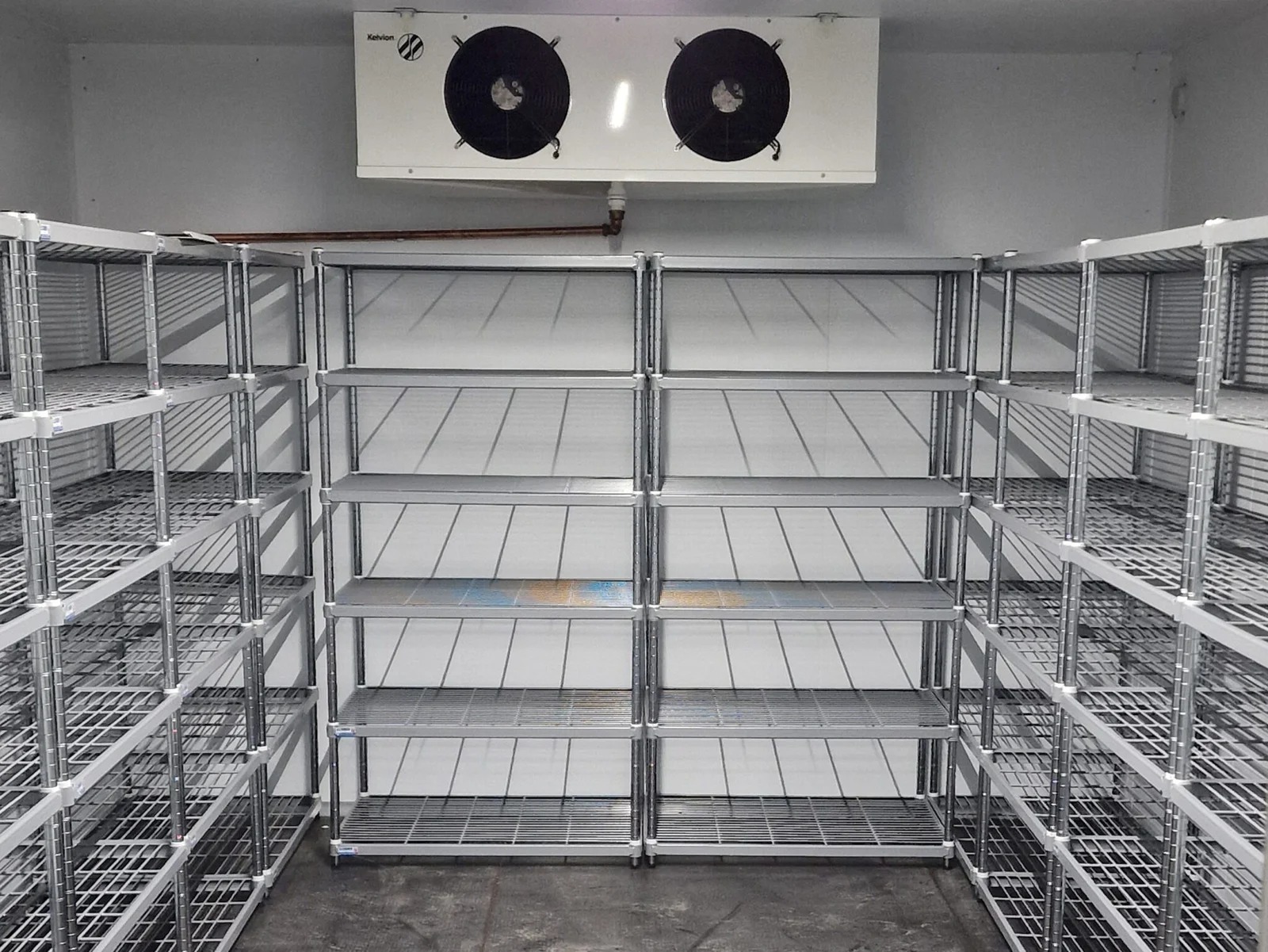
A cold room is an insulated temperature-controlled space designed to store products within a specific temperature range.
Depending on the application, cold rooms may be used for:
- Fresh and frozen food storage
- Meat and poultry
- Fish and seafood
- Fruits and vegetables
- Dairy products
- Pharmaceutical products
- Agricultural produce
- Restaurants and supermarkets
- Food processing facilities
- Distribution and logistics centres
The required temperature depends on the products being stored. This means the design of the cold room should be based on the intended application rather than using a one-size-fits-all approach.
Why Insulation Matters in Cold Room Construction
One of the most important components of a cold room is its insulation system.
The purpose of insulation is to reduce the transfer of heat between the external environment and the controlled internal space. Poor insulation can increase the workload on refrigeration equipment, resulting in higher energy consumption and difficulty maintaining the required temperature.
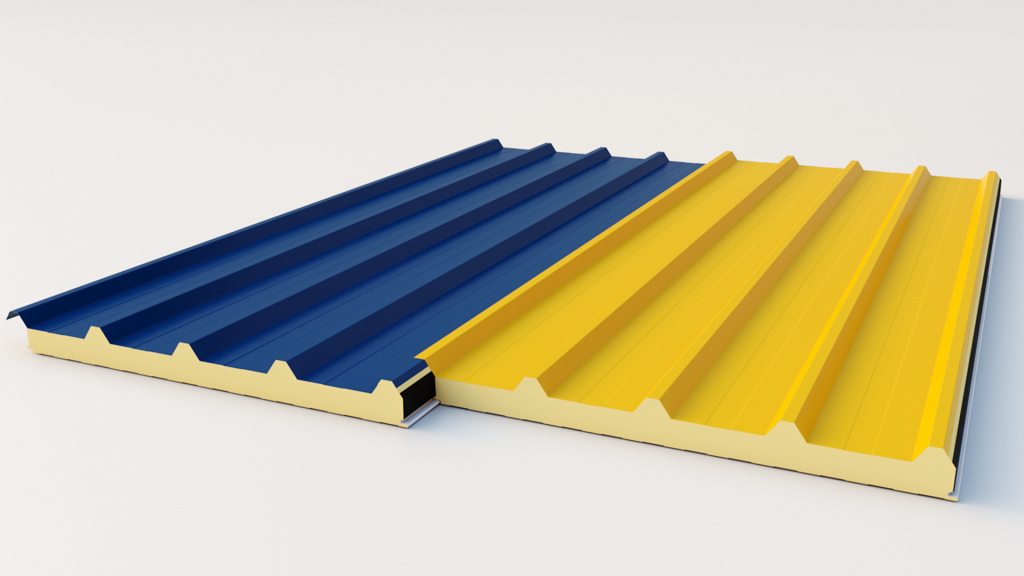
Insulated sandwich panels are widely used in temperature-controlled environments because they combine an insulation core with protective metal surfaces in a single panel system.
For cold storage applications, properly specified insulated panels can provide:
- Improved thermal insulation
- Reduced heat transfer
- Better temperature stability
- Faster installation
- Easier maintenance
- A clean internal surface
- Protection against environmental conditions
Choosing the Right Cold Room Panel
The type and specification of panel used during cold room construction can affect the overall performance of the facility.
Factors that should be considered include:
1. Insulation Core
The insulation material plays a major role in thermal performance. Polyurethane (PU) and other specialised insulation systems are commonly used in temperature-controlled applications.
The appropriate insulation specification should be selected according to the required operating temperature, room size, location, and intended use.
2. Panel Thickness
Cold room panels are available in different thicknesses. The appropriate thickness depends on factors such as:
- Required internal temperature
- External temperature
- Cold room size
- Frequency of door opening
- Product type
- Refrigeration system
- Building location
Using the correct panel specification can help improve thermal efficiency and reduce unnecessary refrigeration load.
3. Panel Joints and Sealing
Even high-quality insulated panels can lose efficiency if joints, corners, doors, and penetrations are not properly sealed.
During installation, particular attention should be given to panel connections and openings to minimise unwanted air and moisture infiltration.
4. Internal and External Finishes
The environment in which the cold room will operate should also influence the choice of panel finish.
Food processing and storage facilities may require surfaces that are easy to clean and maintain, while industrial facilities may have additional durability requirements.
Cold Room Construction Requires Proper Planning
Before construction begins, the expected use of the facility should be clearly defined.
A proper cold room design should consider:
Product requirements: What products will be stored and at what temperature?
Storage capacity: How much product needs to be stored at one time?
Room dimensions: What internal dimensions are required?
Loading frequency: How often will products enter and leave the cold room?
Door design: What type and size of access door is appropriate?
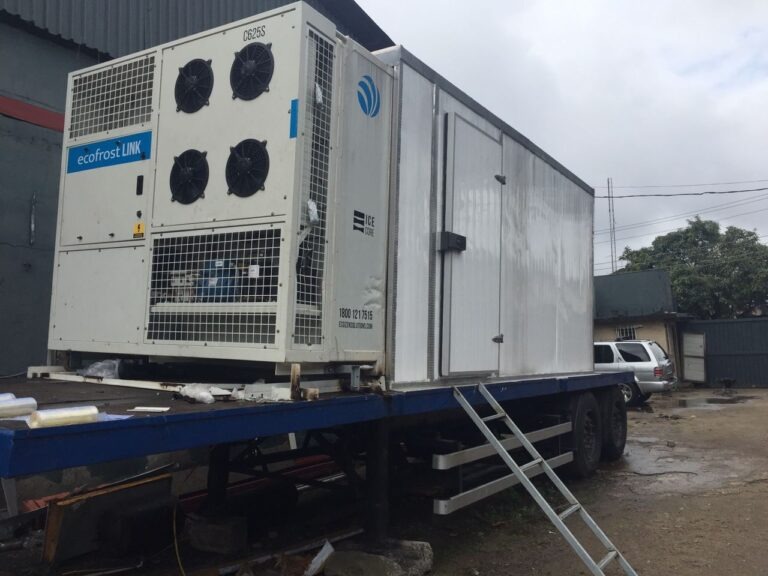
Refrigeration: What refrigeration capacity will be required?
Insulation: What panel type and thickness are suitable?
Drainage: How will condensation and water be managed?
Power supply: Is the available electrical supply adequate for the refrigeration system?
These considerations should be addressed before materials are ordered or construction begins.
Common Cold Room Applications in Nigeria
Cold room facilities are used across several industries in Nigeria.
Food and Beverage
Restaurants, supermarkets, hotels, caterers, and food distributors rely on temperature-controlled storage to protect perishable products.
Agriculture
Cold storage can support the preservation and distribution of agricultural products by helping maintain appropriate storage conditions after harvesting.
Meat and Poultry
Meat and poultry businesses require controlled environments for storage and distribution. Proper insulation can help maintain the desired internal conditions.
Fish and Seafood
Fish and seafood require appropriate temperature control to preserve quality during storage and distribution.
Pharmaceutical Storage
Some pharmaceutical products and medical materials require controlled temperatures. Cold storage facilities for these applications must be designed around the specific storage requirements of the products.
Why Insulated Panels Are Suitable for Cold Storage Facilities
Traditional construction methods can require multiple layers of materials to achieve the desired level of insulation.
Insulated sandwich panels integrate insulation and protective surfaces into a single building component. This can simplify installation and help create a consistent insulated envelope around the cold room.
For commercial and industrial projects, prefabricated panel systems can also help reduce installation time compared with constructing insulated walls from multiple separate materials.
However, panel selection should always be based on the actual project requirements rather than choosing a product based only on price or appearance.
Designing for Energy Efficiency
Energy consumption is an important consideration in cold room construction.
A refrigeration system may have to work harder when there is excessive heat gain through walls, ceilings, doors, or poorly sealed joints.
A well-designed cold room therefore requires coordination between:
- Insulated wall panels
- Roof or ceiling insulation
- Cold room doors
- Floor insulation
- Refrigeration equipment
- Air sealing
- Drainage
- Temperature controls
The objective is to create a controlled environment where the refrigeration system can operate effectively without unnecessary heat infiltration.
Why Professional Installation Matters
The performance of an insulated cold room depends not only on the materials selected but also on how those materials are installed.
Incorrect panel alignment, poorly sealed joints, damaged surfaces, or inadequate detailing around doors and corners can reduce the effectiveness of the insulation system.
Professional installation helps ensure that the panels are properly fitted and that important connection points are correctly addressed.
For larger industrial projects, technical planning, panel estimation, shop drawings, and site supervision can also help reduce construction errors.
Building a Cold Room That Meets Your Business Requirements
Every cold room project is different.
A small retail cold room will have different requirements from a large food-processing facility, pharmaceutical storage centre, or industrial cold warehouse.
Before starting a project, businesses should consider the products being stored, required temperatures, storage volume, available space, expected usage, refrigeration requirements, and future expansion.
At Lange & Grant, we provide insulated building solutions for industrial and commercial applications, including insulated wall panels and cold room solutions.
Our team can support projects with panel selection, technical guidance, panel estimation, and other project requirements.
Conclusion
Successful cold room construction starts with proper planning.
The refrigeration system is only one part of the solution. The building envelope, insulation, panel thickness, joints, doors, floor, and installation quality all contribute to the performance of a temperature-controlled facility.
For businesses investing in cold storage in Nigeria, selecting the right insulated panel system and working with experienced professionals can help create a facility designed for reliable temperature control and long-term use.
If you are planning a cold room construction project in Nigeria, speak with Lange & Grant about your project requirements and explore the appropriate insulated panel solution for your facility.
Lange & Grant — Building better with high-performance insulated panel solutions.