
How to Reduce Heat Build-Up in Industrial Buildings in Nigeria
Industrial insulation in Nigeria is becoming increasingly important for warehouses, factories and other industrial buildings. Excessive heat inside a building can make working conditions uncomfortable, affect stored products and increase dependence on fans, air conditioning and other cooling systems.
For businesses planning a new industrial building or looking to improve an existing facility, controlling heat should therefore be considered during the design and construction process.
One of the most effective approaches is to combine proper building insulation, suitable roofing materials, ventilation and an appropriate building design.
Why Do Industrial Buildings Become So Hot?
Large industrial buildings often have extensive roof surfaces and metal wall areas that are exposed to direct sunlight throughout the day.
Metal roofing can absorb and transfer significant amounts of solar heat into the building if it is not properly insulated. Once heat enters the building, it can remain trapped, particularly in large spaces with inadequate ventilation.
Several factors can contribute to excessive indoor heat, including:
- Direct exposure to sunlight
- Poorly insulated roofs
- Uninsulated external walls
- Inadequate ventilation
- Large metal surfaces
- Poor building orientation
- Heat generated by machinery and equipment
- Insufficient air circulation
For warehouses and factories, these factors can create an environment that is uncomfortable for workers and potentially unsuitable for certain products and equipment.
1. Start With the Roof
The roof is one of the most important areas to consider when trying to control heat inside an industrial building.
A large roof surface receives direct solar radiation throughout the day. If the roofing system provides little thermal resistance, heat can quickly transfer into the building.
Using an insulated roofing system can significantly reduce the amount of heat transferred from the external roof surface into the interior.
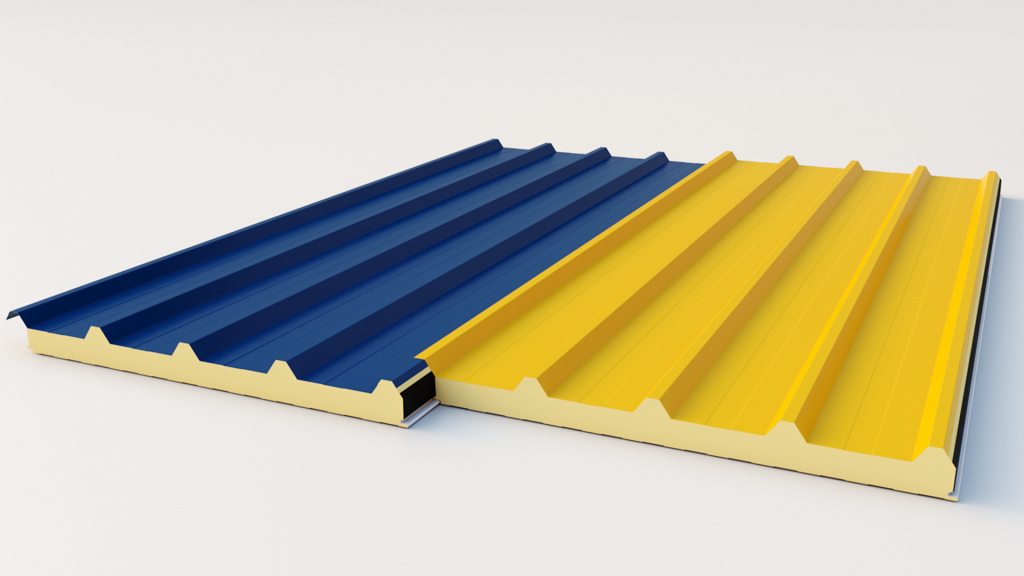
Insulated roof panels use an insulation core between external and internal layers, providing thermal resistance while also serving as a durable roofing solution.
For warehouses, factories, commercial buildings and other large structures, selecting the appropriate roof panel thickness and specification is important for achieving the required thermal performance.
2. Consider Insulated Wall Panels
Heat does not only enter through the roof.
External walls can also absorb solar radiation and transfer heat into the building. This can be particularly noticeable in buildings with large exposed wall surfaces.
Insulated wall panels provide an additional thermal barrier between the external environment and the interior space.
They can be used for industrial buildings, warehouses, cold rooms, commercial facilities and other structures where temperature control is important.
Combining insulated roofing with insulated wall panels can provide a more complete approach to controlling heat throughout the building envelope.
3. Improve Natural Ventilation
Insulation should not be considered a replacement for good ventilation.
Industrial buildings need adequate air movement to remove hot air and improve indoor conditions. Depending on the building design, this can include strategically positioned openings, roof ventilation systems, louvers, exhaust fans or other ventilation solutions.
Hot air naturally rises, so ventilation near the upper sections of a building can help remove accumulated heat.
The best solution depends on the building’s size, purpose, location and internal heat sources.
4. Choose the Right Roofing Material
Not every roofing material provides the same level of thermal performance.
When selecting roofing for a warehouse or factory, businesses should consider more than just the initial purchase price.
Important factors include:
- Thermal insulation performance
- Durability
- Weather resistance
- Roof lifespan
- Maintenance requirements
- Installation time
- Building requirements
- Total lifecycle cost
A roofing system that costs less initially may not necessarily be the most economical option over the lifetime of the building.
5. Insulate Areas That Require Greater Temperature Control
Some industrial facilities require more temperature control than others.
For example, warehouses storing food, pharmaceuticals, agricultural products or temperature-sensitive materials may require specialised insulation and controlled environments.
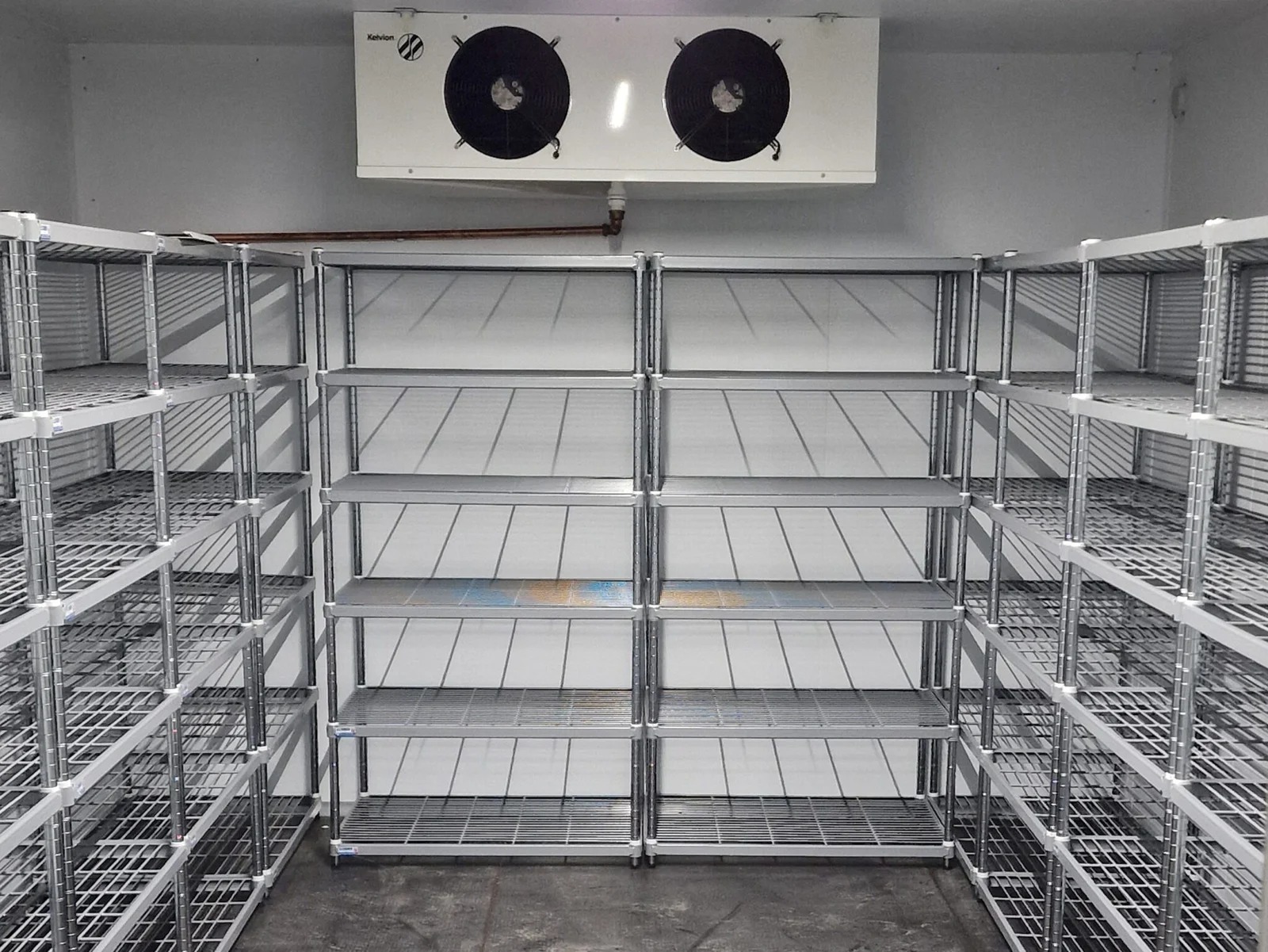
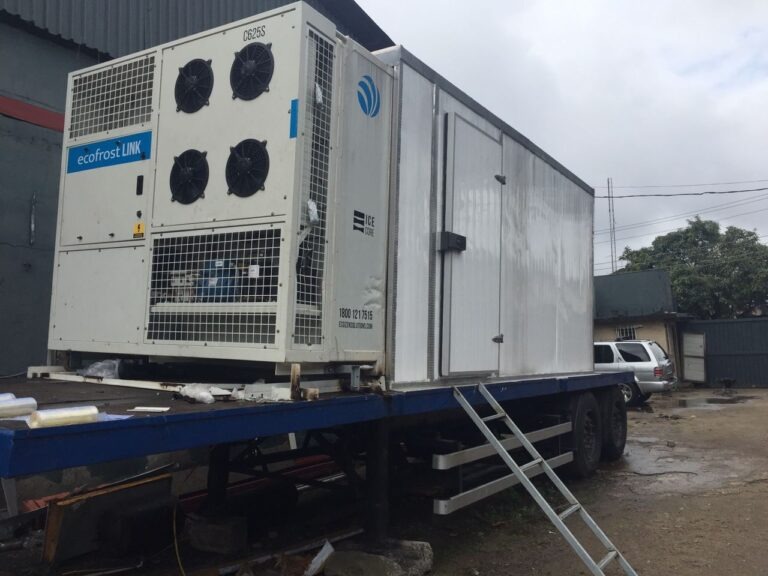
Cold rooms are a good example. They require properly insulated walls, ceilings and doors to minimise heat transfer and maintain the desired internal temperature.
In these applications, insulation is not simply about improving comfort; it can be an essential part of protecting the products stored inside.
6. Consider Energy Efficiency From the Beginning
Heat management should ideally be considered before construction begins.
Architects, engineers, developers and building owners should consider insulation, ventilation, roof design and building orientation as part of the overall project.
Making these decisions during the design stage can make implementation easier and potentially reduce the need for expensive modifications later.
For existing buildings, however, improvements can still be made by assessing the current roofing, walls, ventilation and other areas where heat enters the facility.
7. Work With the Right Building Materials
The materials used to construct an industrial building can have a major impact on its long-term performance.
Modern insulated panels combine multiple functions into one building component. They can provide structural enclosure, weather protection and thermal insulation while allowing faster installation compared with some conventional construction methods.
This makes insulated panel systems particularly useful for warehouses, factories, commercial buildings and other projects where construction speed and thermal performance are important.
How Lange & Grant Can Help
At Lange & Grant, we provide insulated roof and wall panel solutions for industrial and commercial construction projects in Nigeria.
Our solutions are designed to support projects that require durability, thermal insulation and efficient installation. The company’s product range includes insulated roof panels, insulated wall panels, EcoSlim insulated roofing sheets and other building solutions.
Lange & Grant also has an in-house production facility for insulated sandwich panels and provides technical support for projects requiring panel estimation, shop drawings and site-related assistance.
Whether you are developing a new warehouse, factory, commercial facility or temperature-controlled space, selecting the appropriate building envelope can make a significant difference to the building’s long-term performance.
Conclusion
Reducing heat build-up in an industrial building requires more than simply installing fans or air conditioners.
The most effective approach begins with the building itself.
Proper roof insulation, insulated wall systems, adequate ventilation and careful material selection can help reduce heat transfer and create a more comfortable and efficient industrial environment.
For businesses developing warehouses, factories and other commercial or industrial facilities in Nigeria, investing in thermal performance during construction can also contribute to better long-term building performance and operating efficiency.
If you are planning an industrial or commercial building project and need guidance on insulated roofing or wall panels, Lange & Grant can help you identify a suitable solution for your project.
Speak with Lange & Grant today to discuss your insulated roofing and wall panel requirements.