Insulated Roofing Systems in Nigeria: How to Reduce Heat and Energy Costs in Industrial Buildings
Nigeria’s hot climate presents a major challenge for industrial, commercial, and warehouse buildings. High temperatures can make indoor spaces uncomfortable, increase the use of cooling systems, and contribute to higher energy costs.
One effective solution is the use of insulated roofing systems in Nigeria. Unlike conventional roofing materials, insulated roofing systems are designed to reduce heat transfer while providing durability and long-term protection for buildings.
For businesses looking to improve energy efficiency and create more comfortable working environments, choosing the right roofing system can make a significant difference.
What Are Insulated Roofing Systems?
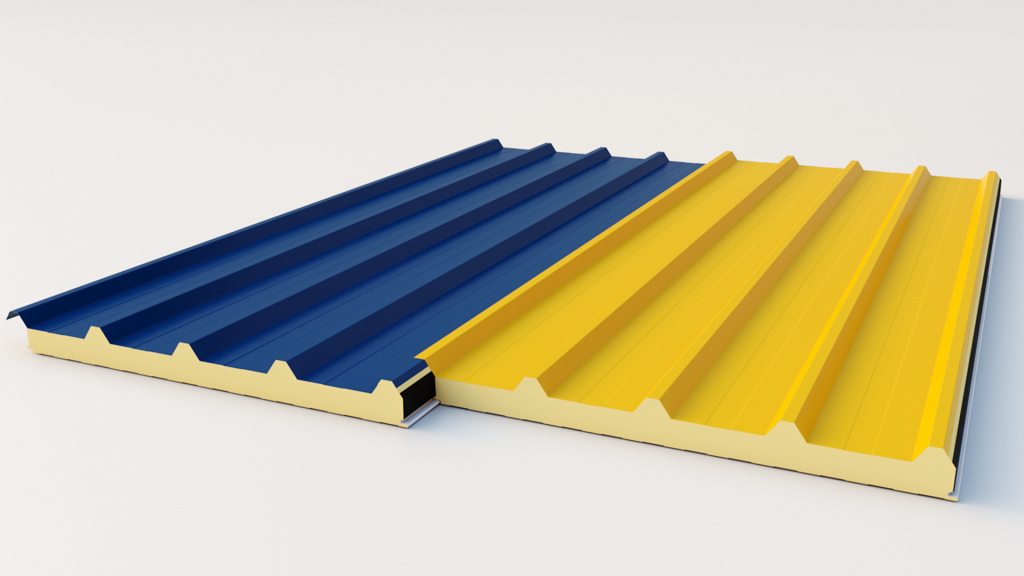
Insulated roofing systems are roofing solutions that incorporate a layer of insulation within the roofing structure. This insulation helps reduce the amount of heat transferred from the outside environment into the building.
Modern insulated roof panels in Nigeria can provide both thermal and structural benefits, making them suitable for warehouses, factories, offices, workshops, cold rooms, and other commercial and industrial facilities.
By creating a thermal barrier between the external environment and the interior of a building, insulated roofing can help maintain more stable indoor temperatures.
Why Industrial Buildings in Nigeria Need Insulated Roofing
Nigeria experiences high temperatures for much of the year, with intense sunlight capable of heating conventional metal roofs significantly.
For industrial and commercial buildings, excessive heat can result in:
- Increased use of air conditioning and cooling systems
- Higher electricity consumption
- Uncomfortable working conditions
- Increased heat exposure for equipment and products
- Difficulty maintaining stable indoor temperatures
Investing in energy efficient roofing in Nigeria can help businesses manage these challenges by reducing the amount of heat entering their buildings.
5 Benefits of Insulated Roofing Systems
1. Improved Thermal Insulation
One of the main advantages of insulated roofing is its ability to reduce heat transfer. Effective thermal insulation roofing helps prevent excessive external heat from entering the building, which can improve indoor comfort.
This is particularly beneficial for large industrial facilities where maintaining a comfortable internal environment can otherwise require significant energy consumption.
2. Reduced Energy Consumption
When less heat enters a building, cooling systems may not need to work as hard to maintain the desired indoor temperature.
Over time, this can help businesses reduce energy consumption and potentially lower operating costs, particularly in buildings that rely heavily on air conditioning or other cooling systems.
3. Better Working Conditions
Excessive heat can affect employee comfort and productivity, particularly in factories, warehouses and workshops.
An appropriately designed insulated roofing system can help create a more comfortable working environment by reducing the amount of heat transferred into occupied spaces.
4. Protection for Products and Equipment
Certain products, raw materials and equipment can be affected by excessive heat.
Insulated roofing can help create a more stable indoor environment, providing an additional layer of protection for stored goods and temperature-sensitive materials.
5. Long-Term Roofing Performance
A properly selected and professionally installed roofing system can provide reliable protection against Nigeria’s weather conditions while reducing the need for frequent repairs and replacements.
For businesses planning a new facility or upgrading an existing building, investing in quality industrial roofing solutions in Nigeria can provide long-term value.
Insulated Roofing vs. Conventional Roofing
Traditional roofing systems can provide basic protection from rain and sunlight, but they may offer limited thermal insulation.
Insulated roofing systems are designed with an additional insulation layer that helps reduce heat transfer. This makes them particularly suitable for buildings where temperature control and energy efficiency are important.
| Feature | Conventional Roofing | Insulated Roofing |
|---|---|---|
| Heat reduction | Limited | Improved |
| Thermal insulation | Low/Moderate | High |
| Energy efficiency | Moderate | Improved |
| Indoor comfort | Varies | Better temperature control |
| Industrial applications | Suitable | Highly suitable |
The most appropriate roofing solution will depend on the building’s design, location, intended use, budget and performance requirements.
Where Can Insulated Roofing Systems Be Used?
Insulated roof panels in Nigeria can be used across a wide range of commercial and industrial applications.
These include:
- Warehouses
- Manufacturing facilities
- Factories
- Workshops
- Office buildings
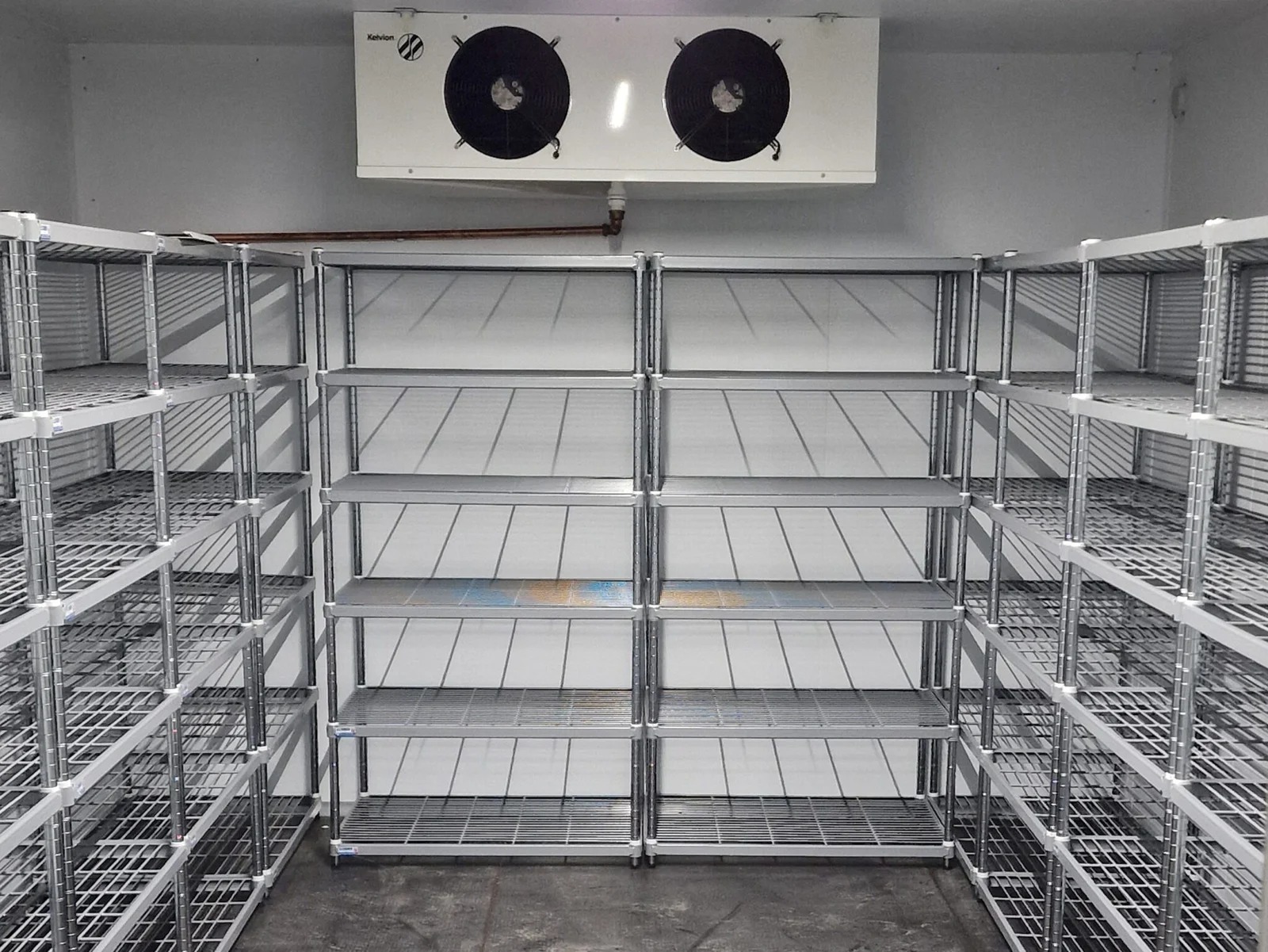
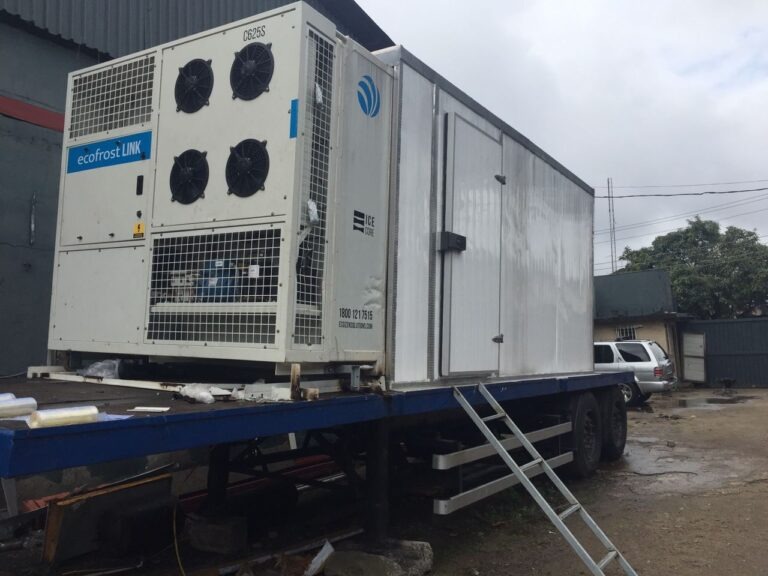
- Cold storage facilities
- Agricultural buildings
- Logistics centres
- Commercial facilities
- Prefabricated buildings
For example, warehouse roofing in Nigeria needs to provide reliable protection while also helping to manage the heat that can build up inside large storage facilities.
Similarly, factory roofing solutions should consider thermal performance, durability, ventilation and the specific requirements of the manufacturing environment.
How to Choose the Right Insulated Roofing System
Choosing the right roofing system requires consideration of several factors.
Building Location
The building’s location and exposure to sunlight should be considered when selecting the appropriate roofing materials and insulation.
Building Usage
A warehouse storing general materials may have different requirements from a cold room, manufacturing facility or office building.
Insulation Requirements
The required level of thermal insulation will depend on the building’s purpose, design and internal temperature requirements.
Durability
The roofing system should be able to withstand Nigeria’s environmental conditions, including strong sunlight, rainfall and wind.
Professional Installation
Even high-quality roofing materials may not perform as expected if they are incorrectly installed.
Working with experienced industrial roofing contractors in Nigeria can help ensure that the roofing system is properly designed, installed and maintained.
Why Choose Lange & Grant?
At Lange & Grant, we provide roofing and building solutions designed for industrial and commercial applications.
Our solutions include insulated roofing, insulated wall panels, roofing systems, porta cabins and prefab buildings, helping businesses create functional, durable and efficient spaces.
Whether you are constructing a new warehouse, factory, office or commercial facility, our team can help you identify a roofing solution that meets your project’s specific requirements.
With the right industrial roofing solutions in Nigeria, businesses can improve building performance while creating more comfortable and efficient working environments.
Conclusion
Nigeria’s hot climate and rising energy costs make thermal efficiency an increasingly important consideration for industrial and commercial buildings.
Insulated roofing systems in Nigeria provide a practical solution for reducing heat transfer, improving indoor comfort and supporting more energy-efficient building operations.
When properly selected and professionally installed, insulated roofing can provide reliable long-term performance for warehouses, factories, offices, workshops and other commercial facilities.
If you are planning a new industrial or commercial building, upgrading an existing roof or looking for an energy-efficient roofing solution, contact Lange & Grant to discuss the right roofing system for your project.